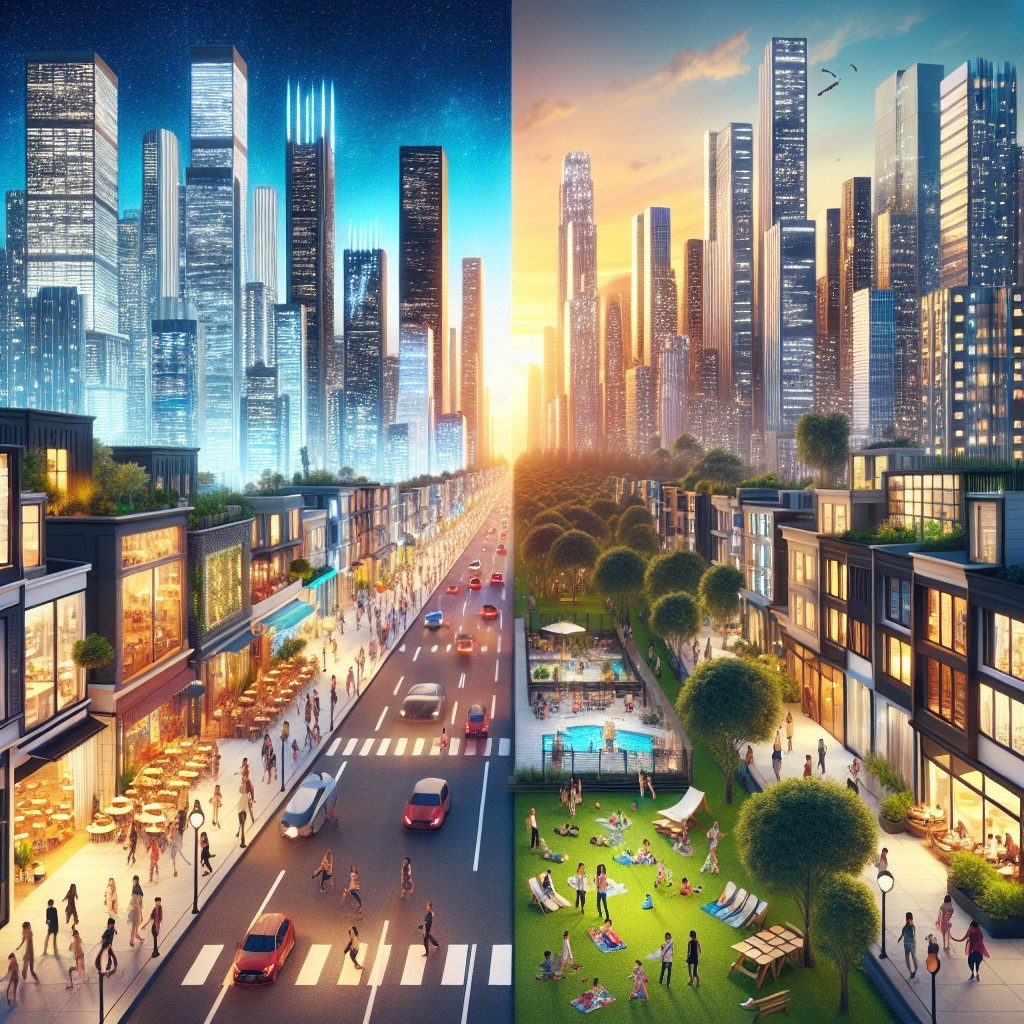
In recent years, suburban living has captured renewed attention as changing demographics, lifestyle preferences, and economic factors reshape where and how people choose to live. As urban centers evolve, the interplay between suburbs and cities is becoming increasingly important in understanding regional development and economic competitiveness.
Growth of Suburban Living in the Post-Pandemic Era
The COVID-19 pandemic significantly influenced residential choices, accelerating the interest in suburban living. Remote work opportunities reduced the need to be physically present in city centers, encouraging many to seek larger homes with more outdoor space in suburban areas. This trend is supported by real estate data showing increased demand for suburban properties and demographic shifts as families prioritize space and safety.
Infrastructure and Accessibility in Suburban Areas
Modern suburbs are adapting by improving infrastructure and connectivity to maintain appeal. Investments in public transportation, road networks, and digital infrastructure help suburbs stay linked to metropolitan economic hubs. These developments ensure that residents of suburban areas continue to access urban employment, cultural amenities, and services while enjoying a different lifestyle setting.
Economic Factors Driving Suburban Expansion
The cost of living remains a driving factor behind suburban living trends. Housing prices and rents in many metropolitan cores have been rising faster than in suburbs, pushing cost-conscious individuals and families to more affordable suburban neighborhoods. Moreover, some businesses are expanding operations into suburban markets to capitalize on the growing population and labor force there, creating a self-reinforcing cycle of economic development.
City Competitiveness and the Role of Suburbs
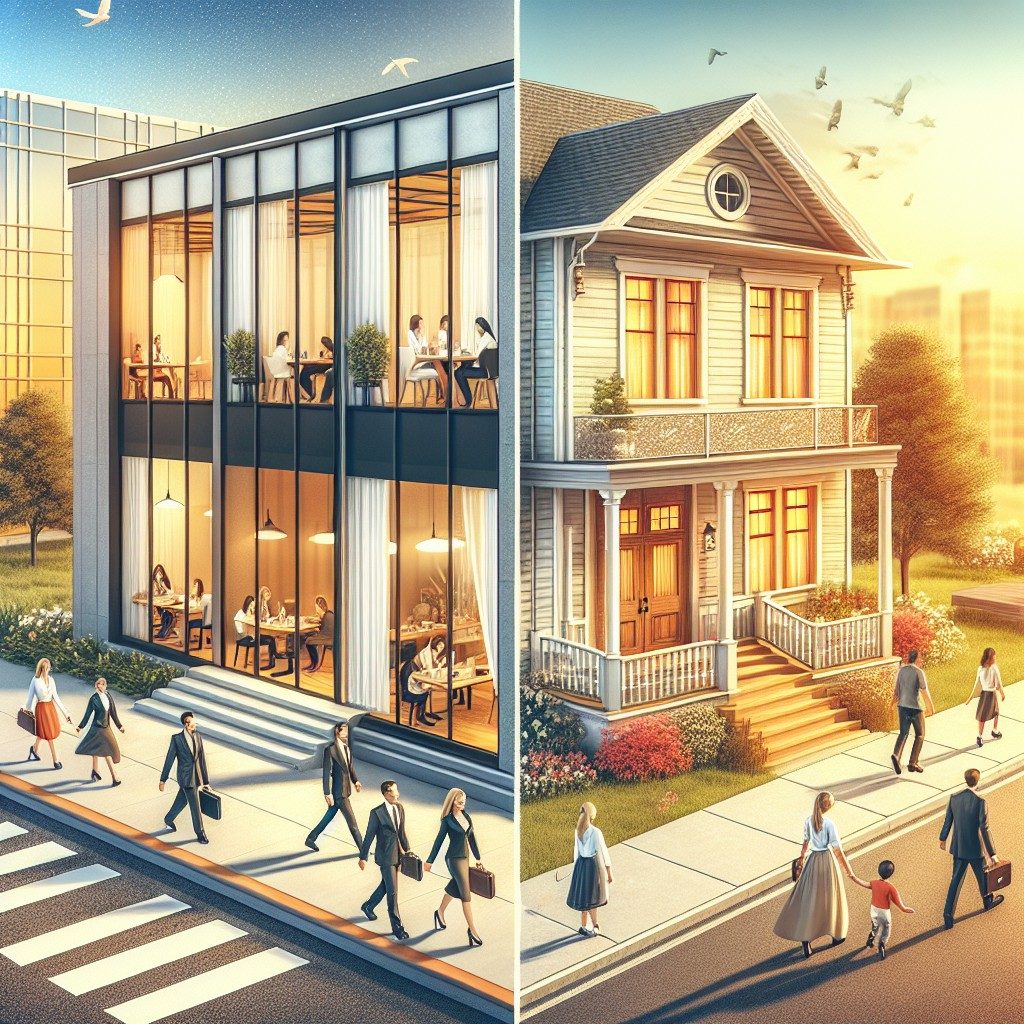
While suburbs are growing, cities are responding by focusing on what keeps them competitive: innovation, cultural vitality, and high-quality urban living environments. Cities invest in amenities, green spaces, and efficient transit systems to attract talent and businesses. The symbiotic relationship between cities and their suburbs creates a dynamic regional ecosystem where each complements the other’s strengths.
Environmental and Social Considerations in Suburban Living
Sustainability has become a pronounced concern in suburban development. Communities are incorporating green building practices, preserving natural spaces, and encouraging alternative transportation to mitigate environmental impacts. Socially, suburban living continues to attract diverse populations, necessitating inclusive community planning to foster cohesion and equitable access to resources.
Overall, the evolution of suburban living reflects broader societal shifts. As cities adapt to changing patterns, the balance between urban and suburban areas will remain pivotal in shaping the future of metropolitan regions worldwide.
Frequently Asked Questions about suburban living
What defines suburban living in today’s context?
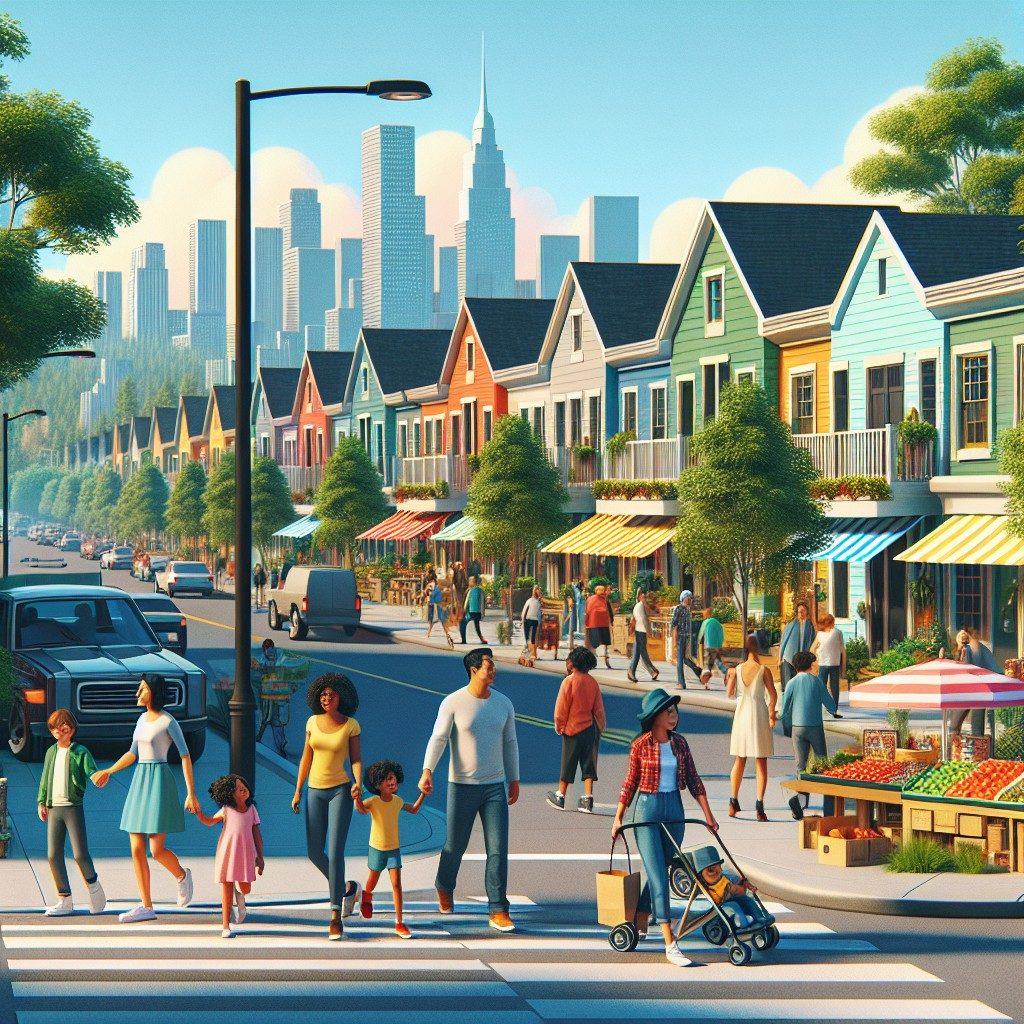
Suburban living today typically refers to residing in residential areas on the outskirts of major cities, characterized by lower density, more green space, and greater emphasis on private homes compared to urban centers.
How has remote work influenced suburban living trends?
The rise of remote work has made suburban living more attractive by reducing the need for daily commutes, allowing residents to enjoy larger homes and more outdoor areas while staying connected to their jobs.
Are suburbs becoming more economically significant for cities?
Yes, suburbs increasingly contribute to regional economies through business growth and workforce expansion, enhancing the overall competitiveness of metropolitan areas.
What challenges do suburbs face in sustaining growth?
Suburbs face challenges including traffic congestion, ensuring adequate infrastructure, environmental concerns, and maintaining inclusive communities amid demographic changes.
How are cities adapting to maintain competitiveness alongside growing suburban living?
Cities are investing in innovation, cultural amenities, sustainable transit, and quality of life improvements to attract residents and businesses, complementing the growth of surrounding suburban areas.