The rapid expansion of data centers worldwide reflects a continuing surge in digital activity and cloud computing. While these facilities underpin many aspects of modern life, their increasing numbers have driven a significant rise in global energy consumption, raising concerns about environmental impact and sustainability.
Explosive Growth in Data Center Infrastructure
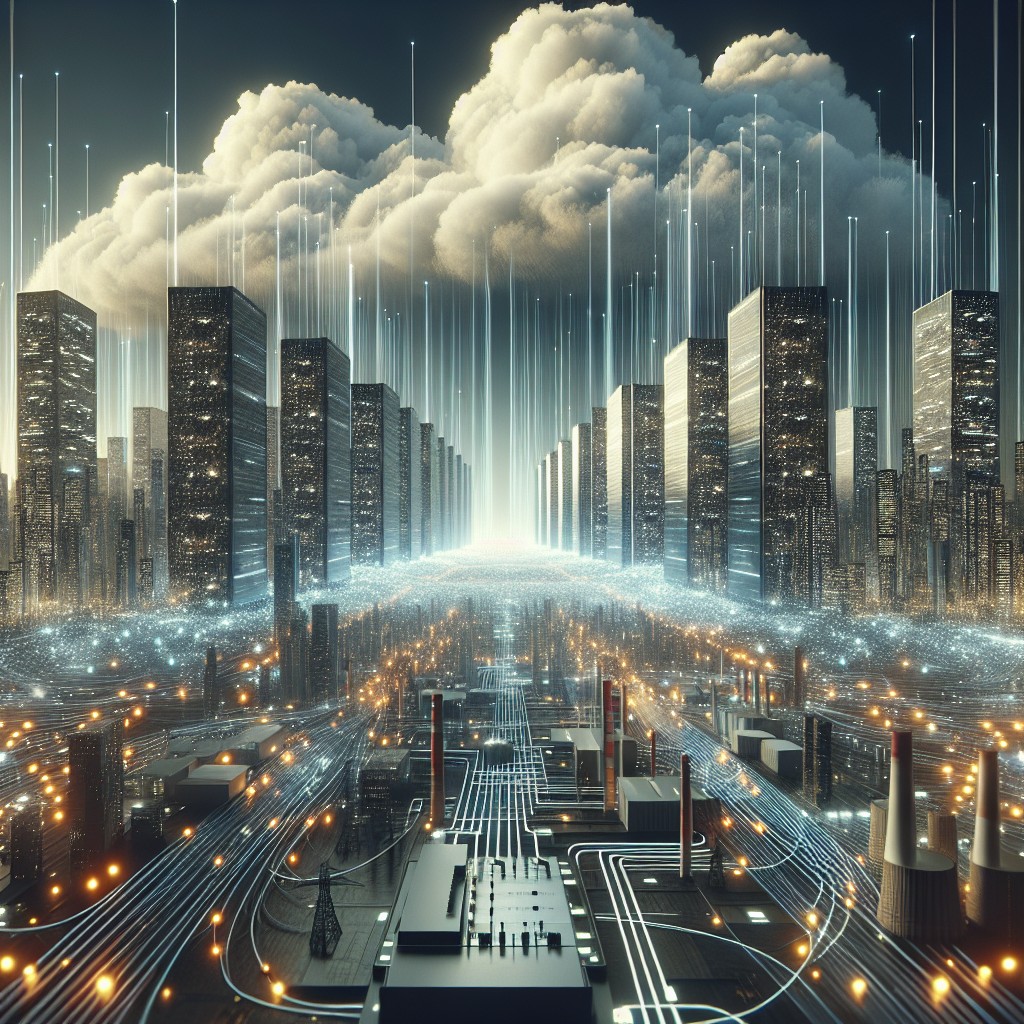
The global demand for data processing and storage has led to an unprecedented growth in data center construction. According to industry reports, hyperscale data centers—large facilities operated by major tech companies—have expanded rapidly to meet the needs of streaming services, online retail, remote work, and artificial intelligence applications. This boom is further fueled by the proliferation of Internet-of-Things (IoT) devices, which generate vast streams of data requiring reliable and efficient processing power.
Energy Requirements of Data Centers
Data centers are known for their heavy energy use because they require continuous power, not only to operate servers but also to maintain optimal cooling systems. Servers generate significant heat; consequently, cooling consumes a considerable portion of the total energy budget. Industry analyses estimate that data centers accounted for around 1% of global electricity usage as of recent years, a figure that is rising as more centers come online and existing ones upgrade capacity.
Drivers Behind Rising Energy Demand
The increasing energy demand stems from several factors. First, the volume of data created and processed globally is growing exponentially, spurred by video streaming, cloud services, and enterprise digitalization. Second, emerging technologies like artificial intelligence and machine learning require intensive computational resources, often running continuously on powerful hardware. Third, advances in computing technologies lead to more servers being added or upgraded, increasing overall power consumption despite improvements in energy efficiency at the component level.
Efforts Toward Sustainable Data Centers
Recognizing the environmental implications, the data center industry has adopted measures to improve energy efficiency and integrate renewable energy sources. Many operators are investing in state-of-the-art cooling solutions such as liquid cooling and free cooling methods, which reduce reliance on traditional air conditioning. Additionally, partnerships with renewable energy providers are increasingly common, with companies committing to sourcing electricity from wind, solar, or hydroelectric power to offset their carbon footprint.
Challenges and Future Outlook
Despite advancements, challenges remain in balancing data center growth with sustainability goals. The complexity of upgrading existing infrastructure, geographical limitations for renewable energy access, and the increasing baseline demand for digital services complicate efforts to contain energy consumption. However, ongoing research into more efficient hardware, improved data management techniques, and regulatory frameworks may help slow energy demand growth over the next decade.
In conclusion, the data center boom is an undeniable driver of rising global energy consumption due to expanding digital activities and technological progress. While energy use will likely continue to grow, industry initiatives focused on efficiency and renewable energy integration offer a pathway toward mitigating environmental impacts without hindering digital innovation.
Frequently Asked Questions about data centers
What are data centers and why is their energy use increasing?
Data centers are facilities housing computer systems and associated components, such as storage and networking equipment. Their energy use is increasing due to the growing demand for digital services, cloud computing, and data storage worldwide.
How much energy do data centers consume globally?
Recent estimates suggest data centers consume about 1% of global electricity, a figure that continues to rise as the number and size of these facilities expands.
What efforts exist to reduce the environmental impact of data centers?
Industry operators are implementing energy-efficient cooling technologies and increasingly sourcing electricity from renewable energy to reduce the environmental footprint of data centers.
Why is cooling an important factor in data center energy consumption?
Servers generate substantial heat during operation, so cooling systems are essential to maintain hardware performance. These systems often consume a significant portion of a data center’s total energy use.
Can data centers become fully sustainable in the near future?
While full sustainability remains challenging, advances in energy efficiency, renewable energy integration, and improved hardware design are helping data centers move toward more environmentally responsible operation.